
When your pet is limping, painful, struggling to stand, or recovering from an injury, advanced orthopedic care can help improve comfort, mobility, and quality of life. At United Vision Pet Partners, our specialty surgery team provides orthopedic procedures for dogs and cats in Newtown Square, PA, including TPLO surgery for CCL/ACL repair, luxating patella repair, fracture repair, femoral head and neck ostectomy, and other advanced orthopedic treatments.
Led by Dr. Michaela Gruenheid, DVM, MS, DACVS-SA, our surgical team works closely with pet parents and referring veterinarians to create a thoughtful plan for each patient. From consultation through surgery, recovery, and follow-up care, our goal is to make the process as clear, supportive, and low-stress as possible.
Need orthopedic surgery for your pet? Call or text (610) 983-8381 to schedule a consultation.
We welcome referrals from general practice veterinarians throughout Newtown Square and nearby communities. Our team partners with referring hospitals to provide advanced orthopedic consultation, surgery, imaging support when needed, and clear post-visit communication so patients can return to their primary veterinarian for continued care.
TPLO Surgery for CCL/ACL Tears in Dogs
Cranial cruciate ligament injuries are one of the most common causes of hind limb lameness in dogs. It is often referred to as an “ACL tear,” while it describes the same structure as the ACL in people in pets the correct term is the cranial cruciate ligament, or CrCL. When this ligament is injured, the knee becomes unstable, which leads to pain, limping, inflammation, muscle mass loss and progressive arthritis.
The TPLO, or tibial plateau leveling osteotomy, is a surgical procedure used to stabilize the knee after a CrCL tear. Instead of replacing or repairing the torn ligament, the TPLO changes the angle of the tibia and modifies the biomechanics to stabilize the knee.
TPLO is generally recommended for most dogs with partial or complete CrCL tears. Every case is evaluated individually, and our team will review your pet’s exam findings, imaging, lifestyle, and long-term comfort when discussing surgical options.
TPLO Recovery Timeline
Recovery after TPLO requires careful activity restriction and follow-up care. Bone healing usually takes 8 weeks and controlled activity is of utmost importance after surgery. Recovery usually focuses on rest, incision care, pain control, and leash walks. As healing progresses, activity is gradually increased over time.
Most TPLO recovery plans include:
- Strict rest and controlled activity after surgery
- Short leash walks only during early recovery
- Gradual return to normal activity once cleared by the surgeon
- Pain management and rehabilitation recommendations when appropriate
Internal Brace and Alternatives to TPLO
In cases of severe instability, an internal brace or another surgical approach may be recommended instead of, or in addition to, TPLO. The best option depends on your pet’s size, age, activity level, anatomy, injury type, and overall orthopedic health.
During your consultation, our surgical team will explain which procedure is most appropriate for your pet and why. The goal is always to choose the option that provides the best chance for comfort, stability, long-term mobility and returning to normal activity.
Luxating Patella Repair
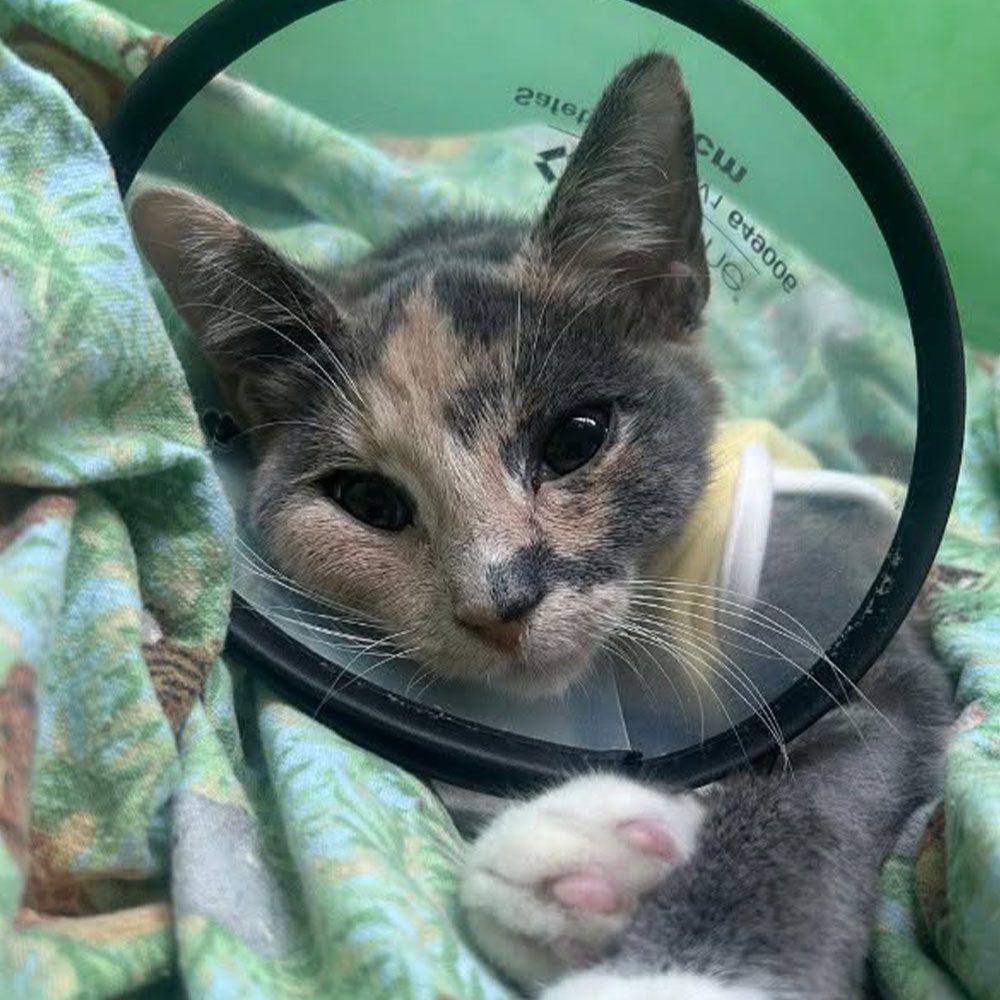
A luxating patella occurs when the kneecap moves out of its normal position. Some pets may skip, limp, or suddenly hold up a back leg while walking. In more advanced cases, the kneecap may stay out of place more often, causing pain, abnormal movement, and joint changes over time.
Surgery may be recommended when patellar luxation causes pain, frequent limping, mobility changes, or a higher risk of long-term joint damage. The surgical plan depends on the severity of the luxation, your pet’s anatomy, and whether other orthopedic concerns are present.
Our team will evaluate your pet’s gait, knee stability, pain level, and imaging results to determine whether surgery is the right next step.
Femoral Head and Neck Ostectomy, or FHO
Femoral head and neck ostectomy, commonly called FHO, is a surgical option for certain hip conditions. This procedure may be recommended for select cases of hip dysplasia, hip luxation, femoral head injury, or fracture involving the hip joint.
During an FHO, the painful portion of the hip joint is removed so the body can form a functional “false joint” supported by surrounding muscles and soft tissue. This can help reduce pain and improve comfort, especially for appropriately selected dogs and cats.
Recovery after FHO often includes pain management, controlled activity, and rehabilitation exercises to help rebuild strength and range of motion.
Fracture Repair and Minimally Invasive Orthopedic Options
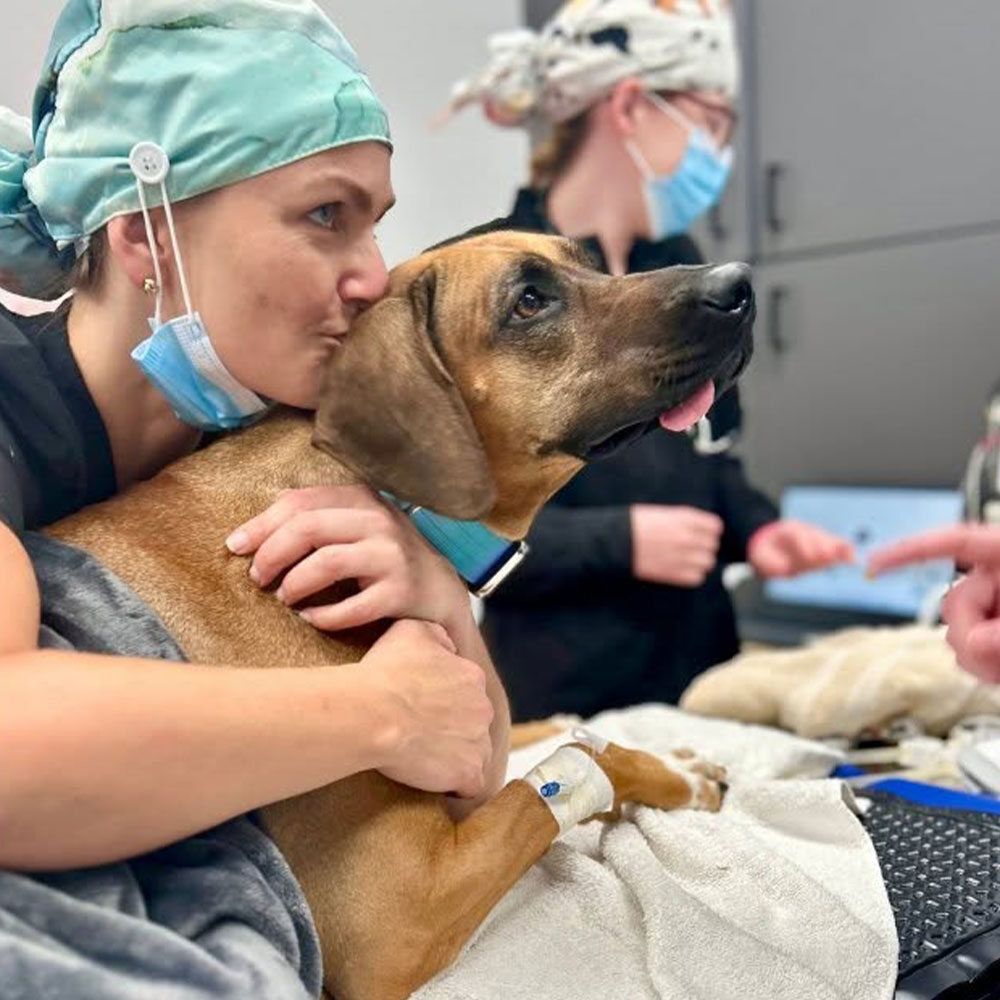
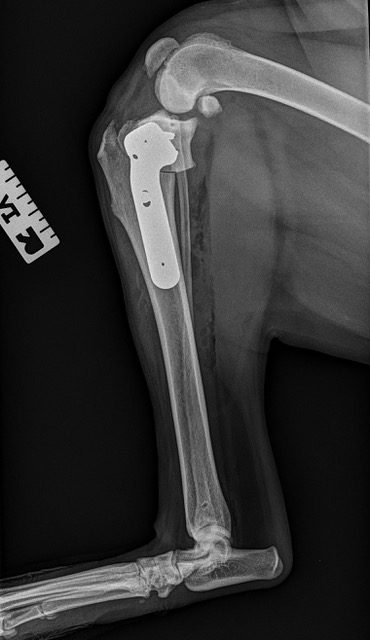
Fractures require careful evaluation to determine the best repair method. Depending on the type, location, and severity of the fracture, treatment may involve plates, screws, pins, external stabilization, or minimally invasive techniques when appropriate.
Our surgical team will review your pet’s imaging and overall health before recommending the safest and most effective repair option. When minimally invasive orthopedic techniques are possible, they may help reduce tissue disruption while supporting proper healing.
Orthobiologics and PRP Injections
Some orthopedic conditions may benefit from non-surgical or supportive treatment options. Orthobiologics, including platelet-rich plasma, or PRP, may be used in select cases to support joint, tendon, ligament, or soft tissue healing.
PRP is created from a patient’s own blood and contains concentrated platelets that may help support the body’s natural healing response. This option is not appropriate for every condition, but it may be discussed as part of your pet’s orthopedic treatment plan.
Recovery, Pain Management, and Rehabilitation
Orthopedic recovery does not end when surgery is complete. Post-operative care is one of the most important parts of helping pets heal safely and comfortably.
Your pet’s recovery plan may include:
- Pain management medications
- Activity restriction
- Leash-only walks
- Incision monitoring
- Recheck exams
- Follow-up imaging when needed
- Rehabilitation or mobility support
- At-home instructions tailored to your pet’s procedure
Our team will walk you through what to expect before and after surgery, including signs to watch for, when to call, and how to help your pet move safely during recovery.
Signs Your Pet May Need Orthopedic Care
Pet owners should schedule an orthopedic consultation if they notice:
- Limping or lameness
- Difficulty standing or lying down
- Trouble using stairs
- Sudden back leg weakness
- Holding one leg up
- Swelling near a joint
- Decreased activity
- Reluctance to jump
- A known injury or fracture
Early evaluation can help identify the cause of pain and prevent further injury.
Schedule an Orthopedic Consultation
If your pet is limping, painful, recovering from an injury, or has been referred for orthopedic surgery, our specialty surgery team is here to help. Call or text United Vision Pet Partners at (610) 983-8381 to schedule an orthopedic consultation in Newtown Square, PA.