
A quiet snowfall can make Newtown Square look peaceful, but many older pets feel the season very differently. Snow days and stiff joints often go hand in hand, especially for aging dogs and cats already dealing with arthritis or mobility challenges. Cold, damp winter air in Pennsylvania can make joints feel tighter, movement slower, and everyday activities harder than they were in the fall. That change often shows up in small ways at first such as hesitating before stairs, sleeping more, or struggling to stand after a nap.
This time of year, pet owners start noticing those subtle shifts and may discover that their dog or cat has arthritis or another medical concern. Our team at United Vision Pet Partners is able to collect a thorough history, perform an orthopedic physical examination, and, if needed, perform imaging such as x-rays to determine what is affecting your pet’s mobility, so you can make a meaningful difference in your senior pet’s comfort and quality of life.
Why Pennsylvania Winters Can Worsen Arthritis in Senior Pets
Winter in Delaware County brings more than snow and icy sidewalks. The combination of low temperatures, damp air, and changes in barometric pressure can intensify joint discomfort in pets with arthritis. Cartilage, which cushions the ends of bones, already thins and becomes less resilient as pets age. When the surrounding muscles tighten in response to cold, joints may feel stiffer, and range of motion can decrease. Many pet owners describe their dog moving “slower in the morning” or taking longer to lie down or stand up during winter months.
You might also notice your pet avoiding favorite activities like climbing onto the couch or jumping into the car. Cats may stop using elevated perches and choose lower resting spots instead. These changes do not mean your pet is simply “slowing down due to age.” Age is not a disease. If you are noting a change in your pet’s behavior, then it may indicate that they are in pain or need to be evaluated by a veterinarian.
Subtle Signs Your Senior Pet Struggles More in Cold Weather
Pets rarely cry out when they feel joint discomfort. Instead, they communicate through behavior changes that can be easy to miss during busy winter routines. Paying attention to subtle signs and behavior changes is key. If you are concerned, then it is best to schedule a physical examination with a veterinarian to ensure there is nothing more serious going on and discuss if joint supplements, pain control medications, physical therapy, or other treatments are indicated.
Changes in Movement at Home
You may see your dog pause before climbing stairs or take them one at a time. Some pets circle longer before lying down or push up with their front legs while their back end lags behind. Cats might stop jumping onto beds or counters and use shorter routes to move around the house. These shifts often appear gradually, which makes them easy to attribute to aging rather than discomfort. Age is not a disease, and pain is not something to ignore.
Decreased Interest in Walks or Play
A senior dog that once waited eagerly by the door may seem reluctant to go outside when the air turns cold. Shorter walks, frequent stops, or turning back toward home sooner can signal joint stiffness. Play sessions may also become shorter or less enthusiastic. These behaviors often lead owners to reduce activity, which can unintentionally contribute to further stiffness.
Behavioral and Mood Changes
Pain can affect mood. Some pets become quieter and sleep more, while others grow irritable when touched around hips, knees, or shoulders. You may notice your pet shifting positions often, as if trying to get comfortable. These patterns often prompt owners to search for dog arthritis winter tips, especially when they coincide with colder weather.
Safe Winter Activity: Keeping Joints Moving Without the Freeze
Movement supports joint health, even during winter. The goal is to keep activity consistent while reducing exposure to extreme cold and slippery surfaces. Many Newtown Square pet owners look for indoor-friendly options to help their pets stay active when sidewalks feel icy.
Indoor Outings That Encourage Gentle Movement
Short visits to pet-friendly indoor locations can offer light activity and mental stimulation. Exploring a local pet supply store or making a quick stop at a pet-friendly bakery in the Philadelphia area allows your dog to walk, sniff, and engage without prolonged exposure to freezing temperatures. These outings provide controlled environments where surfaces are less likely to be icy. They also break up long periods of indoor rest, which can contribute to stiffness.
Structured, Shorter Walks
Instead of one long, cold walk, consider multiple shorter outings during the warmest parts of the day. Midday walks often feel more comfortable than early mornings or late evenings. Keeping walks brief helps maintain mobility without overtaxing sore joints. Watching your pet’s pace and body language during these outings provides helpful information to share with your veterinary team.
Consistency Over Intensity
Senior pets benefit more from regular, gentle movement than from occasional bursts of activity. Maintaining a steady routine supports circulation and joint flexibility. If you notice your pet tiring more quickly than usual, that change can signal a need for a veterinary evaluation as part of senior pet care in Delaware County.
Winterizing Your Delaware County Home for Senior Pets
Cold floors and icy steps can create extra challenges for aging pets. Small environmental adjustments at home can make daily life easier and safer during winter.
- Warmer Resting Areas: Hardwood and tile floors hold cold temperatures, which can make joints feel stiffer when pets lie down. Placing supportive beds in draft-free areas and elevating them slightly off the floor can help create a more comfortable resting space. Choosing locations away from exterior doors also reduces exposure to chilly air.
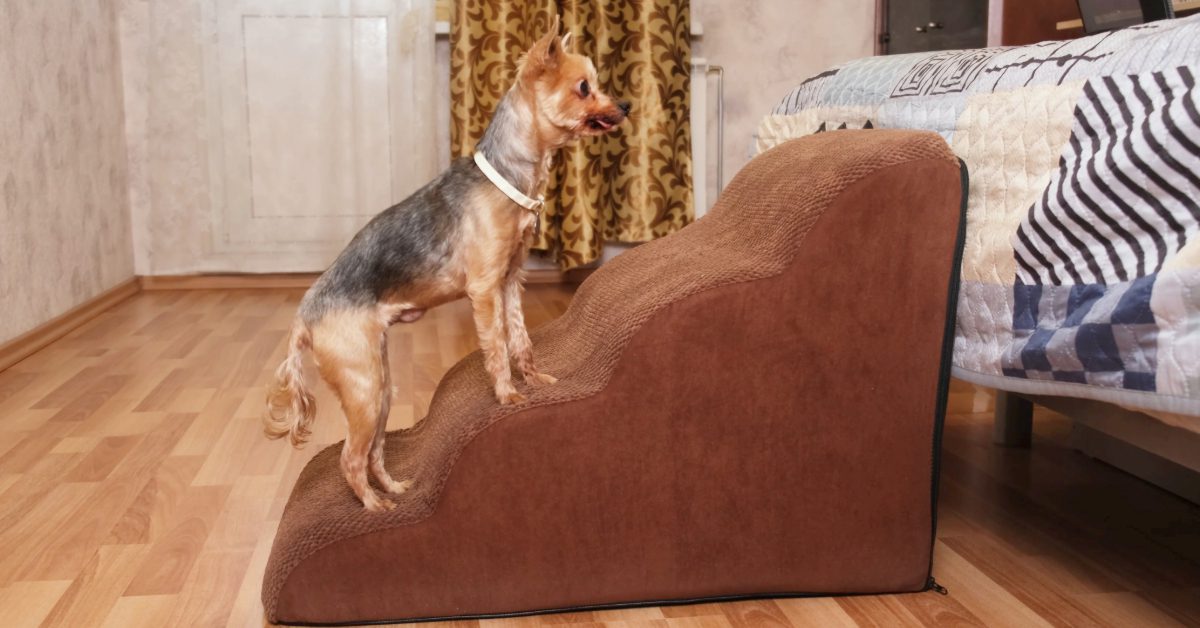
- Safer Access to Favorite Spots: Many senior pets still want to sleep beside their owners or rest on familiar furniture. Ramps or low steps can provide safer access to beds and couches without the strain of jumping. These tools help reduce the risk of slips and falls, which become more likely when joints feel stiff.
- Managing Icy Entryways: Porch steps and driveways in winter can become slick, increasing the risk of injury. Clearing snow and using pet-safe ice melt products helps create safer paths. Even small slips can worsen joint issues, so maintaining stable footing is an important part of winter safety for older pets.
When Winter Mobility Changes Deserve a Veterinary Evaluation
Some stiffness during cold weather can be expected, but certain signs call for professional attention. If your pet struggles to stand, limps consistently, or avoids bearing weight on a leg, these changes go beyond seasonal discomfort. Sudden decreases in activity, noticeable muscle loss, or difficulty getting comfortable can also signal advancing joint disease.
A veterinary evaluation provides a clearer picture of what is happening inside your pet’s joints. During a mobility consultation at United Vision Pet Partners in Newtown Square, your veterinary team can assess lameness, muscle loss, joint range of motion, and overall comfort. Sharing specific observations from home such as when stiffness seems worse helps guide the recommended work-up and most effective treatment plan. This step supports thoughtful, individualized senior pet care in Delaware County.
How Advanced Diagnostics Support Mobility Decisions
Understanding joint health often requires more than a physical exam alone. Digital imaging allows veterinarians to view joint structures, evaluate bone changes, and identify areas of concern. These insights help clarify whether arthritis, ligament issues, or other orthopedic conditions contribute to your pet’s discomfort.
Based on diagnostic findings, your veterinary team can discuss appropriate next steps. In some cases, regenerative medicine options or orthopedic procedures may be part of a broader plan to improve mobility and comfort. Having access to advanced imaging and surgical capabilities at United Vision Pet Partners allows for a more complete approach when winter seems to bring a noticeable decline in movement.
A Season to Revisit Your Pet’s Mobility Plan
Winter offers a natural checkpoint to reassess how your senior pet moves and feels day to day. Small changes in behavior during colder months often reveal underlying joint challenges that deserve attention. By noticing early signs, adjusting the home environment, and maintaining safe activity, you support your pet’s comfort throughout the season. Partnering with a veterinary team adds another layer of insight, especially when stiffness begins to limit normal routines. If your senior dog or cat shows signs of winter-related mobility changes, schedule a consultation with United Vision Pet Partners in Newtown Square. Call (610) 983-8381 to talk with our team about your pet’s movement and quality of life this season.